No products in the cart.: $0.00

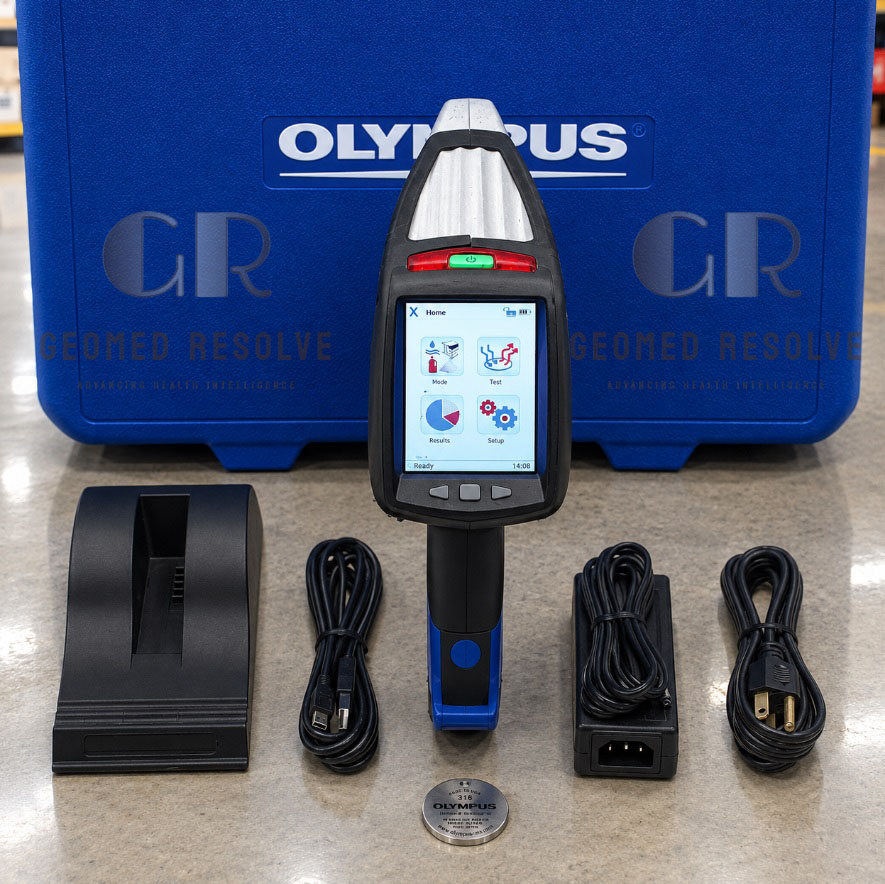
Olympus DE-2000 Delta Alloy XRF Analyzer
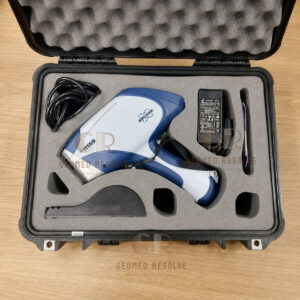
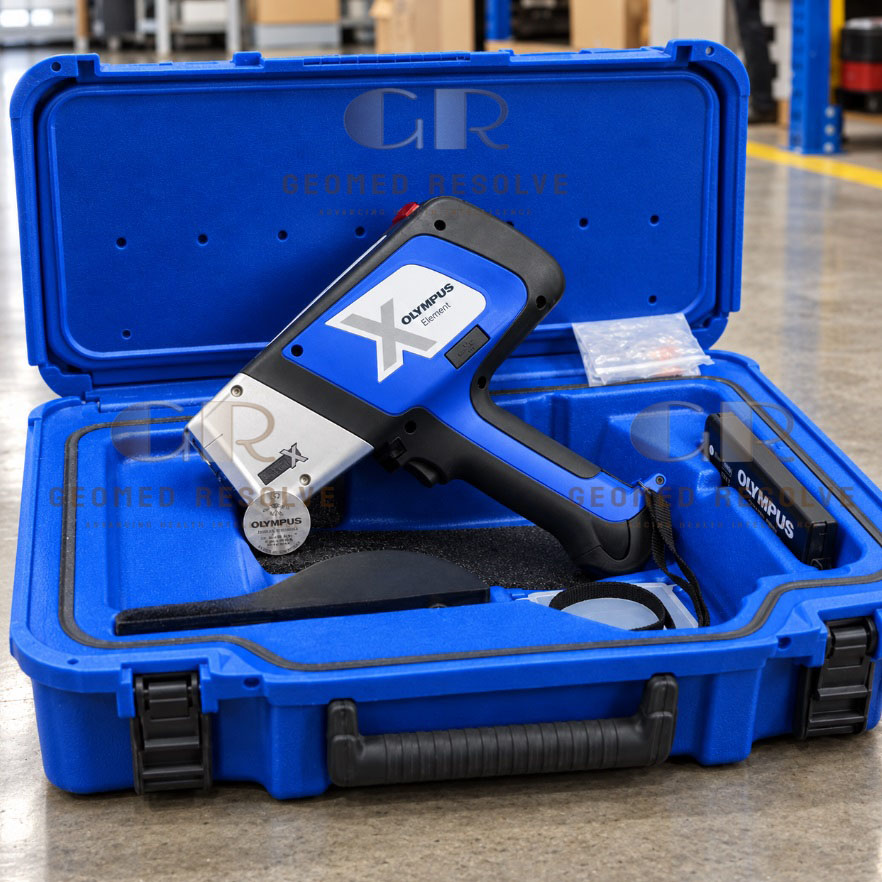
The Olympus DE-2000 Delta Alloy XRF Analyzer is a handheld XRF instrument for fast, non-destructive alloy identification and elemental metals analysis. With a 4-watt gold-anode X-ray tube, silicon PIN detector, touchscreen operation, and hot-swappable battery, it is suitable for PMI, scrap sorting, quality control, and field material verification.
Description
Olympus DE-2000 Delta Alloy XRF Analyzer – Professional Handheld Metal Identification and Elemental Analysis System
The Olympus DE-2000 Delta Alloy XRF Analyzer is a compact handheld instrument designed for rapid, non-destructive alloy identification and elemental metals analysis. It is particularly suitable for positive material identification, scrap sorting, incoming-material inspection, and industrial quality control. The DE-2000 uses a 4-watt gold-anode X-ray tube and is designed for alloy analysis from titanium and higher.
Main Benefits
Enables rapid alloy identification at the inspection site.
Supports non-destructive material testing.
Helps verify incoming metals and alloy grades.
Improves scrap-metal sorting and recycling efficiency.
Reduces dependence on off-site laboratory testing for routine checks.
Provides portable operation for workshops, warehouses, and field locations.
Stores test results for documentation and reporting.
Supports continuous operation with a hot-swappable battery system.
Key Features
4-watt gold-anode X-ray tube.
Silicon PIN diode detector.
Alloy analysis mode for titanium and heavier elements.
Fast screening and sorting capabilities.
Color touchscreen interface.
Automatic analysis software.
Built-in accelerometer.
Barometer for atmospheric-pressure correction.
Rechargeable lithium-ion battery.
Hot-swappable battery design.
USB and Bluetooth data transfer.
MicroSD data storage.
DELTA PC software compatibility.
Rugged handheld housing for industrial use.
Advanced Test Equipment Corp.
Key Specifications
Manufacturer: Olympus / Innov-X.
Model: DE-2000 Delta Element.
Analyzer type: Handheld energy-dispersive X-ray fluorescence analyzer.
Primary use: Alloy identification and elemental metals analysis.
X-ray tube: 4-watt gold-anode tube.
Detector: Silicon PIN diode detector.
Analytical range: Titanium and higher for alloy analysis.
Processing electronics: 530 MHz CPU with integrated floating-point processor and 128 MB RAM.
Display: 32-bit color QVGA touchscreen.
Display size: Approximately 57 × 73 mm.
Data storage: 1 GB microSD card, storing approximately 75,000 readings.
Connectivity: USB and Bluetooth.
Power: Rechargeable lithium-ion battery.
Battery feature: Hot-swappable battery replacement.
Dimensions: Approximately 260 × 240 × 90 mm.
Weight: Approximately 1.5 kg without battery.
Operating temperature: Approximately −10°C to 50°C.
Software: DELTA PC software.
Include: Carrying case, battery charger, docking station, lithium-ion battery, USB cable, calibration reference coin, spare measurement windows, wrist strap, and documentation.
Applications
Positive material identification.
Alloy grade verification.
Scrap metal sorting.
Metal recycling.
Incoming-material inspection.
Welding and fabrication quality control.
Manufacturing process control.
Industrial maintenance.
Stainless-steel identification.
Specialty-alloy verification.
Field material inspection.
Routine elemental metals analysis.
Typical Users
Metal manufacturers.
Fabrication companies.
Welding inspectors.
Quality-control departments.
Scrap-metal processors.
Recycling businesses.
Industrial maintenance teams.
Inspection service providers.
Material-testing laboratories.
Manufacturing and engineering companies.
What is the Olympus DE-2000 Delta used for?
It is used for alloy identification, positive material identification, scrap sorting, metal recycling, and industrial quality control.
Is the DE-2000 a non-destructive analyzer?
Yes. XRF testing generally allows materials to be analyzed without cutting, drilling, or damaging the sample.
Which elements can the DE-2000 analyze?
The DE-2000 alloy configuration is designed for titanium and heavier elements. The exact detectable elements and performance depend on the installed calibration and application method.
Can it identify alloy grades?
Yes. The analyzer compares measured elemental composition with alloy libraries to help identify and verify material grades.
Is the analyzer suitable for field inspections?
Yes. Its handheld format, battery operation, rugged housing, touchscreen, and portable data-management features support field and industrial use.
Does it support continuous operation?
The hot-swappable battery design allows the battery to be changed while maintaining analyzer power, reducing interruption during extended inspection work.
Advanced Test Equipment Corp. – ATEC