No products in the cart.: $0.00

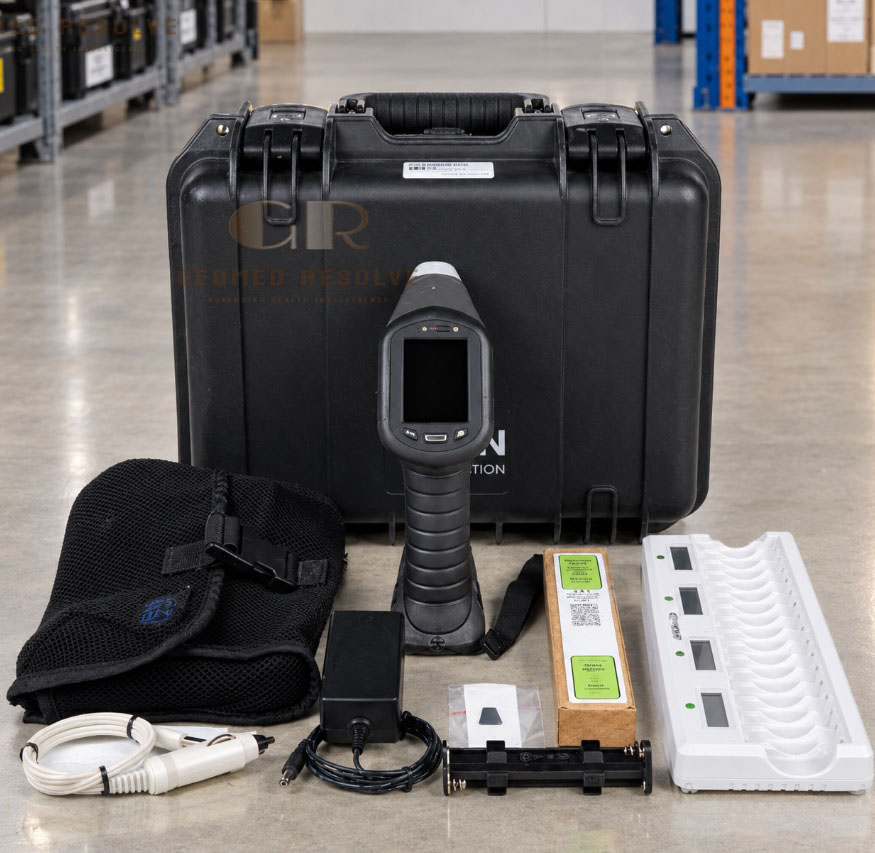
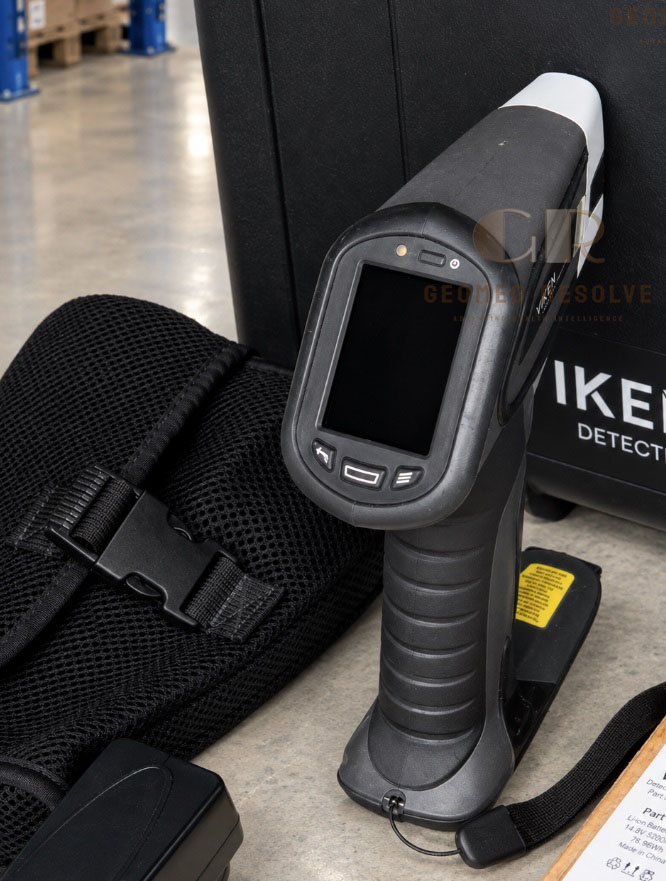
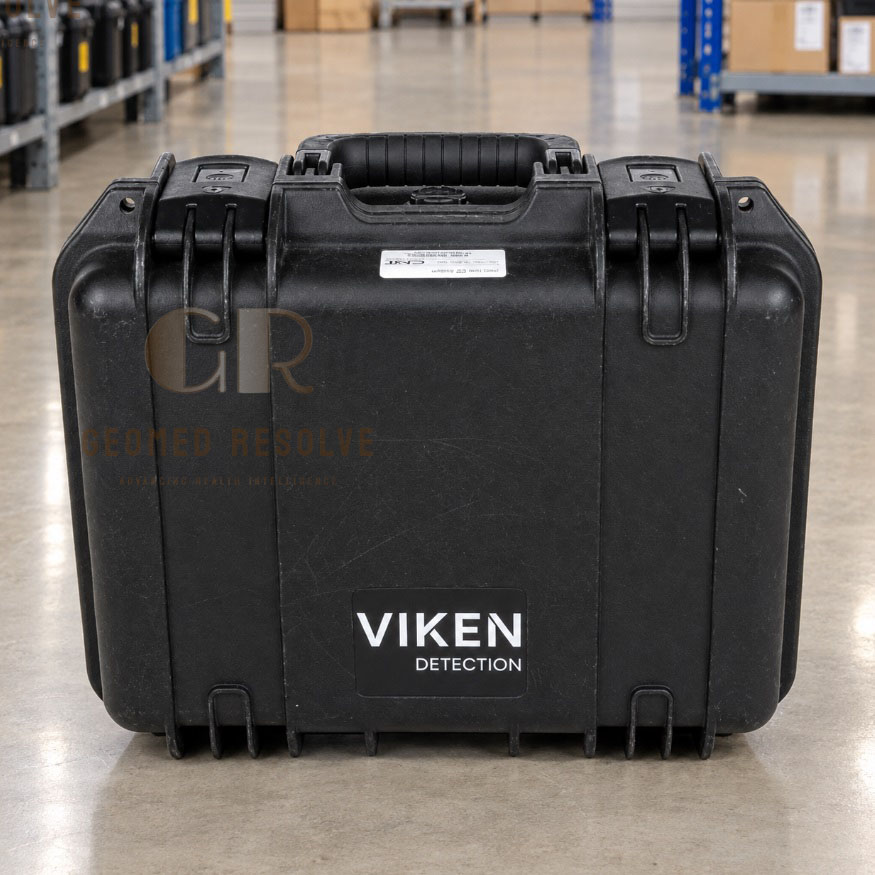
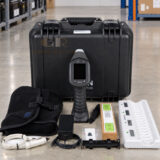
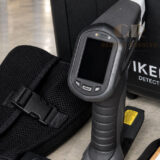
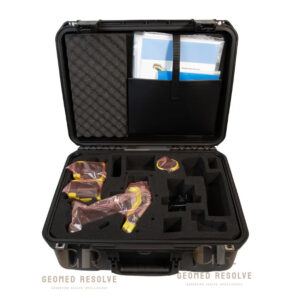
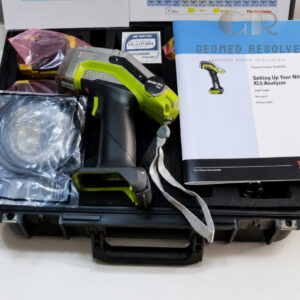
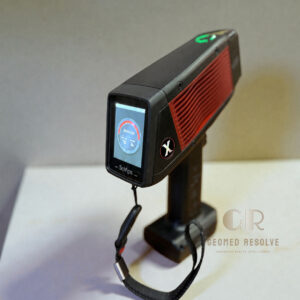
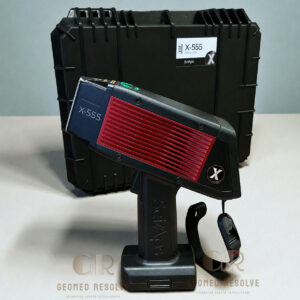
Viken Detection Pb200i Pb200e XRF Analyzer
The Viken Detection Pb200i/Pb200e is a portable handheld XRF analyzer designed for fast, non-destructive lead paint testing. Using K-shell XRF technology and a cobalt-57 source, it helps inspectors detect lead beneath paint layers and document lead concentrations during housing, renovation, environmental, and abatement surveys.
Description
Viken Detection Pb200i/Pb200e Handheld XRF Analyzer for Lead Paint – Portable Non-Destructive Lead-Based Paint Inspection System
The Viken Detection Pb200i/Pb200e Handheld XRF Analyzer for Lead Paint is a compact, non-destructive instrument designed to detect and measure lead in painted surfaces and coatings. It is intended for lead-based paint inspections, housing assessments, renovation surveys, abatement planning, and environmental screening.
The Pb200i and Pb200e use cobalt-57 K-shell XRF technology, helping detect lead beneath multiple paint layers and reducing the risk of false-negative results caused by interference from elements such as zinc or titanium. The Pb200e is designed for HUD/EPA-compliant lead-paint testing, subject to the applicable performance characteristic sheet, software, calibration, and operating procedures.
Main Benefits
Detects lead in painted surfaces without removing paint.
Supports rapid on-site lead-based paint inspections.
Helps identify buried lead beneath multiple paint layers.
Provides lead concentration readings in mg/cm².
Supports positive, negative, and applicable inconclusive result classifications.
Compact, lightweight design improves portability.
Stores readings and spectra for inspection documentation.
Suitable for housing, renovation, environmental, and abatement surveys.
Key Features
K-shell X-ray fluorescence technology.
Sealed cobalt-57 radioactive source.
Thermoelectrically cooled cadmium telluride detector.
Lead Paint Action Level testing mode.
Fast typical measurement times of approximately 1–3 nominal seconds on many samples.
Non-destructive testing with no paint removal required.
Color touchscreen display.
Hot-swappable battery design on Pb200i configurations.
Onboard storage for readings and spectra.
Optional image and GPS data associated with readings, depending on configuration.
Data export through Viken Detection data-management software.
Rugged housing designed for field inspections.
Optional soil and dust-wipe testing capabilities, depending on model and configuration.
Key Specifications
Product type: Handheld XRF lead paint analyzer.
Models: Viken Detection Pb200i and Pb200e.
Primary application: Lead-based paint inspection.
Excitation source: Sealed cobalt-57 source.
Nominal source strength: Approximately 5 mCi / 185 MBq for documented Pb200i configurations.
Detector: Thermoelectrically cooled, sealed CdTe diode detector.
Measurement unit: Milligrams of lead per square centimeter, mg/cm².
Typical measurement time: Approximately 1–3 nominal seconds on many lead-paint samples; actual time depends on source age, sample composition, and selected mode.
Display: 2.4-inch QVGA color touchscreen on Pb200i configurations.
Display resolution: 240 × 320 pixels.
Pb200i dimensions: Approximately 19.8 × 17.0 × 6.7 cm.
Pb200i weight: Approximately 590 g including battery pack.
Battery: Six rechargeable NiMH AA batteries on documented Pb200i configurations.
Battery feature: Hot-swappable battery system.
Data storage: Up to approximately 1 million readings with spectra without pictures, or up to approximately 65,000 readings with spectra and pictures, depending on configuration.
Data management: Viken Detection data-management software with CSV export.
Environmental protection: Documented Pb200i configurations include IP65/NEMA 6 protection.
Durability: Designed for field use and documented to Mil-STD 810G drop-test requirements.
Optional capabilities: Lead-in-soil testing and dust-wipe testing, depending on installed options.
Compliance: Pb200e is promoted for HUD/EPA-compliant lead-based paint testing when used under the applicable PCS and procedures.
Applications
Lead-based paint inspections.
Residential and commercial property surveys.
Public housing inspections.
Renovation and demolition screening.
Lead abatement planning.
Environmental health investigations.
School, hospital, and public-building assessments.
Rental-property compliance inspections.
Pre-purchase property evaluations.
Painted metal and architectural coating analysis.
Optional lead-in-soil screening.
Optional dust-wipe testing.
Typical Users
Certified lead-paint inspectors.
Environmental consultants.
Public housing authorities.
Municipal and government inspection teams.
Lead abatement contractors.
Renovation and demolition contractors.
Property owners and landlords.
Industrial hygienists.
Environmental testing laboratories.
What is the Viken Detection Pb200i/Pb200e used for?
It is used to detect and measure lead in painted surfaces and coatings during lead-paint inspections, renovation surveys, housing assessments, and abatement planning.
Does the analyzer require paint removal?
No. The instrument performs non-destructive XRF testing directly on painted surfaces.
Can it detect lead beneath other paint layers?
Yes. Its K-shell XRF approach is designed to detect lead beneath multiple paint layers and reduce false-negative readings caused by interference from certain other elements.
How quickly does it provide results?
Many readings are completed in approximately 1–3 nominal seconds, although measurement time depends on source age, sample composition, and the selected operating mode.
What is the difference between Pb200i and Pb200e?
Both are designed for handheld lead-paint analysis. The Pb200e is specifically promoted for HUD/EPA-compliant lead-based paint testing, while Pb200i configurations and their compliance depend on the applicable software, PCS, calibration, and operating procedures. Buyers should verify the exact model and documentation supplied with the instrument.
What does the reading measure?
The analyzer reports lead concentration in milligrams per square centimeter, or mg/cm².
Can the instrument test soil?
Some configurations support optional lead-in-soil testing, either directly in the field or using bagged samples.