No products in the cart.: $0.00

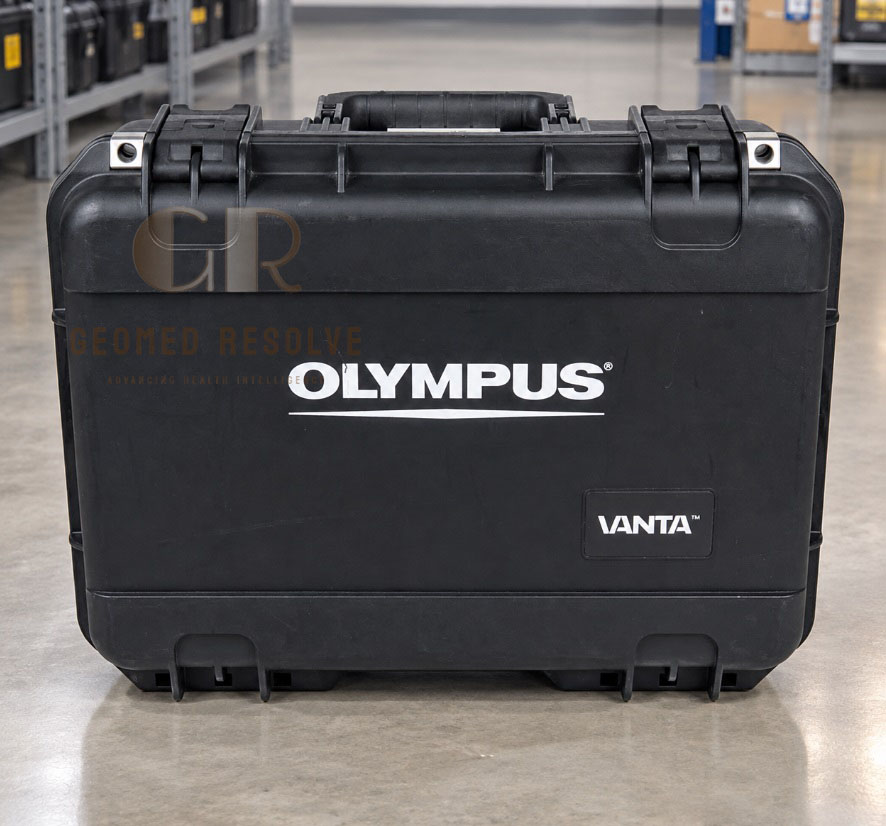
Olympus Vanta VCA XRF Analyzer
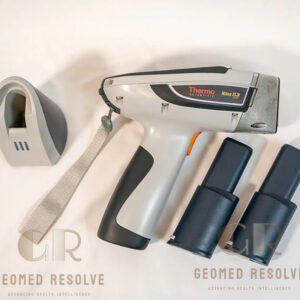
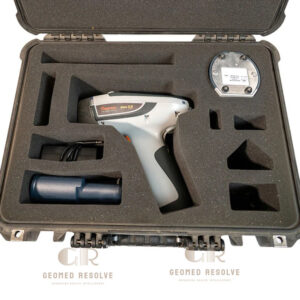
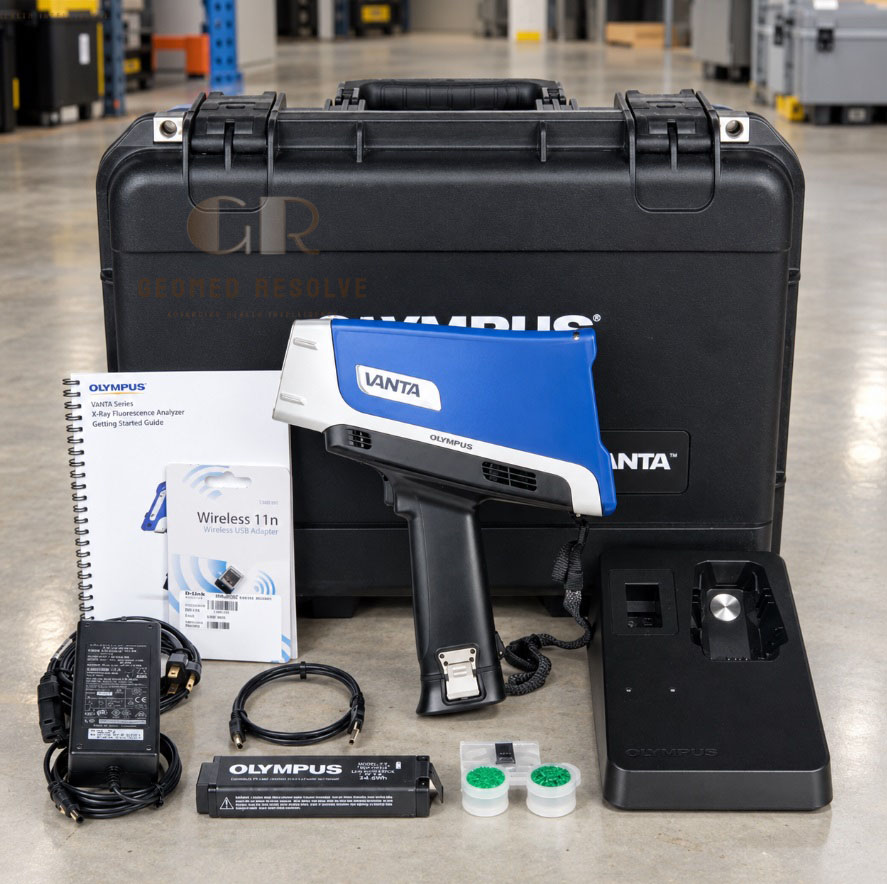
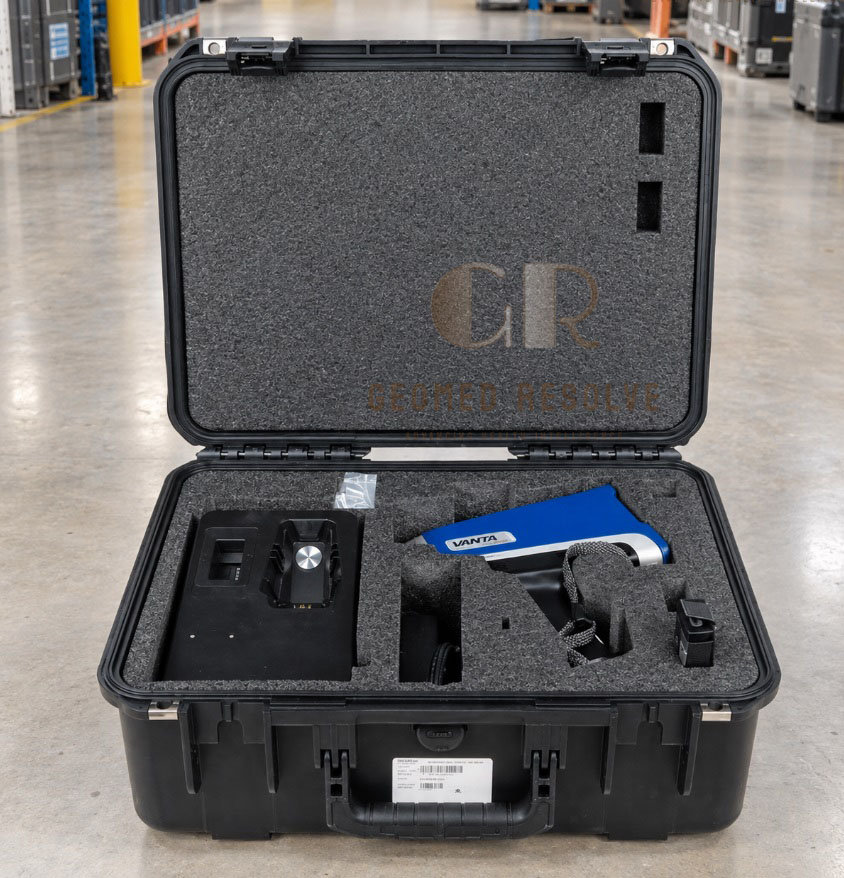
The Olympus Vanta VCA XRF Analyzer is a professional handheld elemental analysis system featuring a 50 kV silver-anode X-ray tube, Alloy Plus, RoHS Plus, and dual cameras. It provides rapid, non-destructive alloy identification and material screening for industrial, recycling, manufacturing, and field applications.
Description
Olympus Vanta VCA XRF Analyzer 50kV AlloyPlus RoHS Dual Camera – Professional Handheld Alloy Identification and Elemental Analysis System
The Olympus Vanta VCA XRF Analyzer 50kV AlloyPlus RoHS Dual Camera is a rugged handheld X-ray fluorescence analyzer designed for fast, non-destructive elemental analysis and alloy identification in industrial and field environments. Its 50 kV, 4-watt silver-anode X-ray tube supports broad elemental analysis, while Alloy Plus and RoHS Plus capabilities make it suitable for material verification, regulatory screening, recycling, and quality control.
The dual-camera configuration combines an aiming camera with a panoramic camera for improved sample positioning, visual documentation, and traceable inspection records.
Main Benefits
Provides fast, non-destructive elemental analysis.
Supports alloy identification and grade verification.
Helps screen restricted substances for RoHS-related applications.
Captures visual images for better sample documentation.
Suitable for laboratory, workshop, recycling, and field inspection.
Rugged design supports demanding industrial environments.
Reduces the need to transport samples to a laboratory for routine screening.
Key Features
50 kV, 4-watt silver-anode X-ray tube.
Silicon drift detector for elemental analysis.
Alloy Plus analytical mode for alloy chemistry and grade identification.
RoHS Plus mode for screening regulated elements in electronic and industrial materials.
Dual-camera configuration with aiming and panoramic cameras.
Automatic primary beam filtration.
Optional small-spot collimation for more localized measurements.
800 × 480 WVGA capacitive touchscreen.
Embedded GPS/GLONASS capability for location-based documentation.
USB connectivity and optional wireless data transfer.
Built-in barometer for air-density and pressure correction.
Rugged housing with drop-test protection and environmental resistance.
Onboard data storage and report-generation capabilities.
Key Specifications
Analyzer type: Handheld energy-dispersive X-ray fluorescence analyzer.
Model: Olympus Vanta VCA.
X-ray tube: 4-watt silver-anode tube.
Tube voltage: 8–50 kV.
Tube current: Approximately 5–200 µA, depending on operating mode.
Detector: Silicon drift detector.
Elemental range: Magnesium to uranium, depending on method and calibration.
Analytical modes: Alloy Plus, RoHS Plus, and other installed application methods.
Primary beam filtration: Eight automatically selected filter positions per beam and method.
Spot size: Optional 3 mm collimated beam configuration.
Display: 800 × 480 WVGA capacitive touchscreen.
Cameras: Aiming camera and panoramic camera.
Panoramic camera: 5-megapixel CMOS camera with autofocus lens, depending on configuration.
Power: Removable lithium-ion battery or AC power adapter.
AC input: 100–240 VAC, 50–60 Hz.
Connectivity: USB; optional wireless LAN and Bluetooth.
Navigation: Embedded GPS/GLONASS.
Operating temperature: Approximately −10°C to 50°C, depending on operating conditions and configuration.
Environmental protection: Vanta C-series units are commonly specified with IP55 protection; verify the exact rating on the supplied unit.
Dimensions: Approximately 8.3 × 28.9 × 24.2 cm.
Weight: Approximately 1.70 kg with battery and 1.48 kg without battery.
Applications
Positive material identification.
Alloy sorting and verification.
Scrap metal identification.
Incoming material inspection.
Manufacturing quality control.
RoHS-related screening.
Electronics and component inspection.
Recycling operations.
Precious-metal and jewelry screening when the relevant method is installed.
Mining and geological material screening when geochemical modes are available.
Industrial maintenance and field material verification.
Typical Users
Quality-control departments.
Metal recyclers and scrap processors.
Manufacturing and fabrication companies.
Inspection and testing service providers.
Electronics manufacturers.
Environmental and regulatory screening teams.
Mining and geological professionals.
Laboratories and material-testing facilities.
What is the Olympus Vanta VCA used for?
It is used for non-destructive elemental analysis, alloy identification, material verification, recycling, manufacturing inspection, and RoHS-related screening.
What does the 50 kV X-ray tube provide?
The 50 kV silver-anode tube provides the excitation power needed for broad elemental analysis across a range of industrial materials.
What is Alloy Plus?
Alloy Plus is an analytical method designed to identify alloy chemistry and help match measured materials to recognized alloy grades.
What is RoHS Plus?
RoHS Plus is a screening method for detecting regulated elements in materials and products associated with restricted-substance compliance programs. XRF screening measures total elemental content and does not independently determine chemical speciation, such as the exact oxidation state of chromium.
Why does the analyzer have two cameras?
The aiming camera helps position the measurement area, while the panoramic camera can capture broader images for documentation and linking visual records with analysis results.
Is the Vanta VCA suitable for field use?
Yes. The Vanta platform is designed for portable industrial work and includes a rugged housing, touchscreen operation, battery power, and environmental protection.
Does the analyzer identify every element?
The detectable elemental range depends on the analyzer configuration, calibration, sample composition, and selected method. The VCA is generally specified for a range extending from magnesium to uranium.